When a visual sensation moves me, I feel the desire to preserve it. Photography is the way I know how to do this. Through it, I keep fragments of my life that remain open to memory. Sometimes a scene surprises me and I react immediately, if I have my camera with me. At other times, I set out in search of an image I had already sensed before seeing it. In both cases, every photograph is born from the same desire. My creative process usually unfolds in two stages. The first is to capture the moment. The second, more deliberate, is an attempt to give shape to what I perceived at the moment of taking the photograph and what, with the passage of time, I come to recognise as its true essence. It is then that composition and light seek the balance that remains most faithful to what I felt when I photographed that moment. After letting the image rest, I return to contemplate it. Then I feel I have reached the final step: the point at which I should make no further changes, because the image now expresses what I was looking for.
The images gathered in these Selected Works are an example of my photographic journey. They portray different places, times and genres, but they all share the same intention: to remind us that the world is full of moments that deserve to be contemplated. Because, after all, “the world is wonderful, and it is worth stopping to look.”
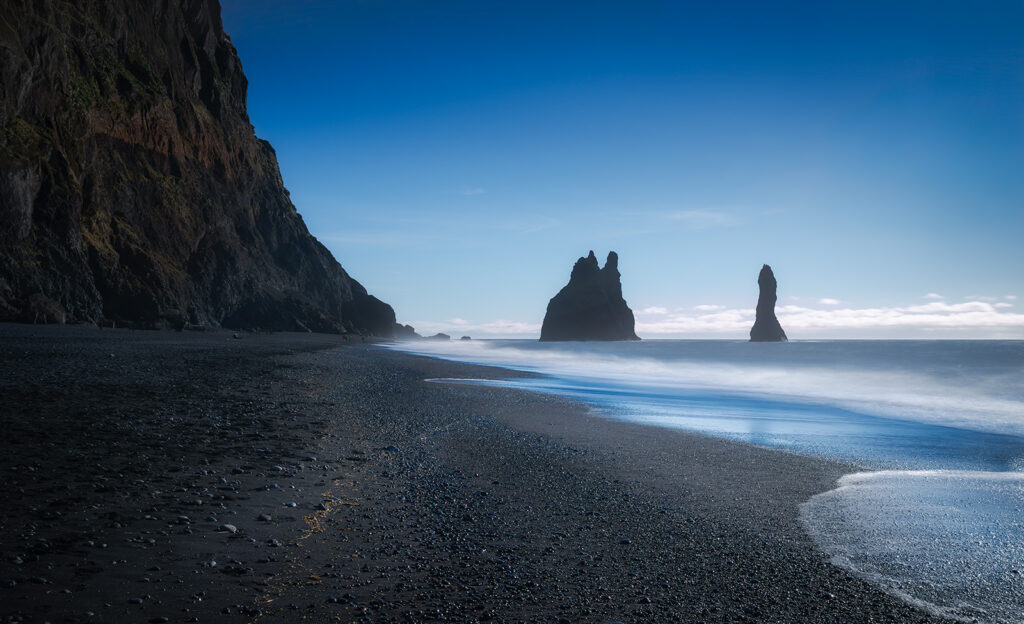
There are stones that do not preserve the past; they preserve time.
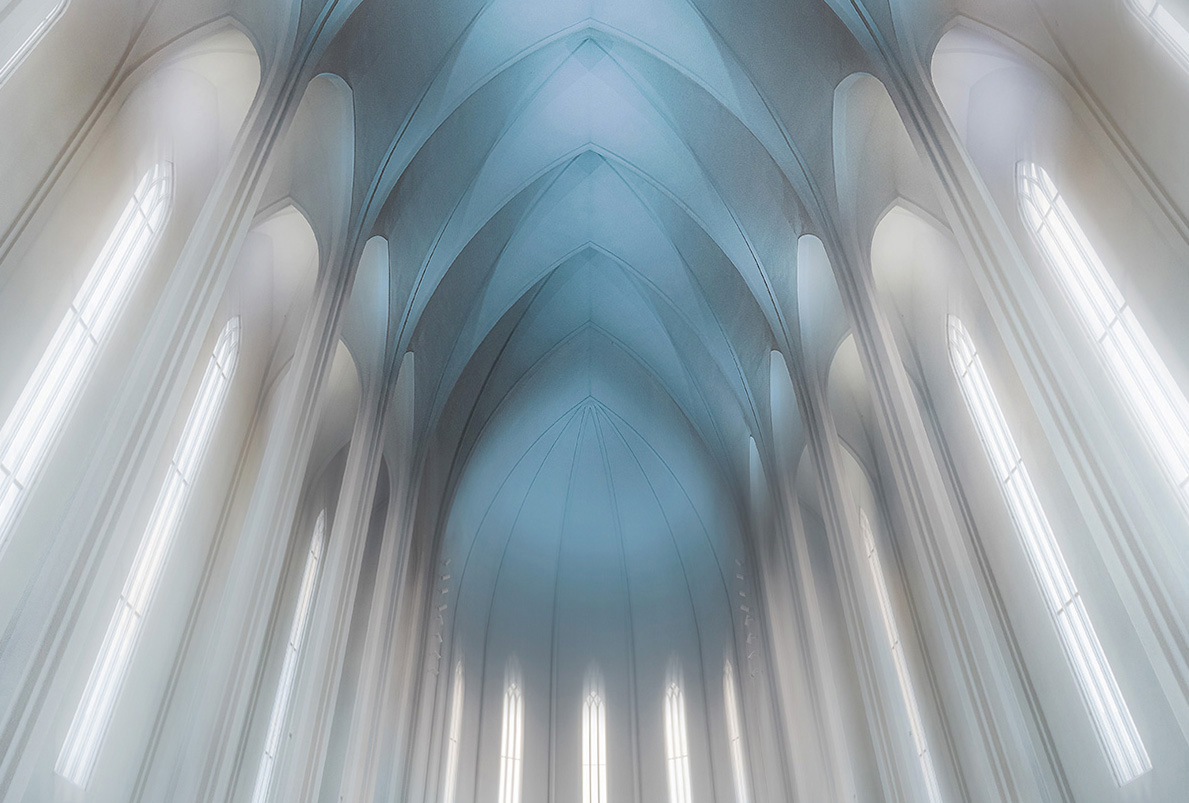
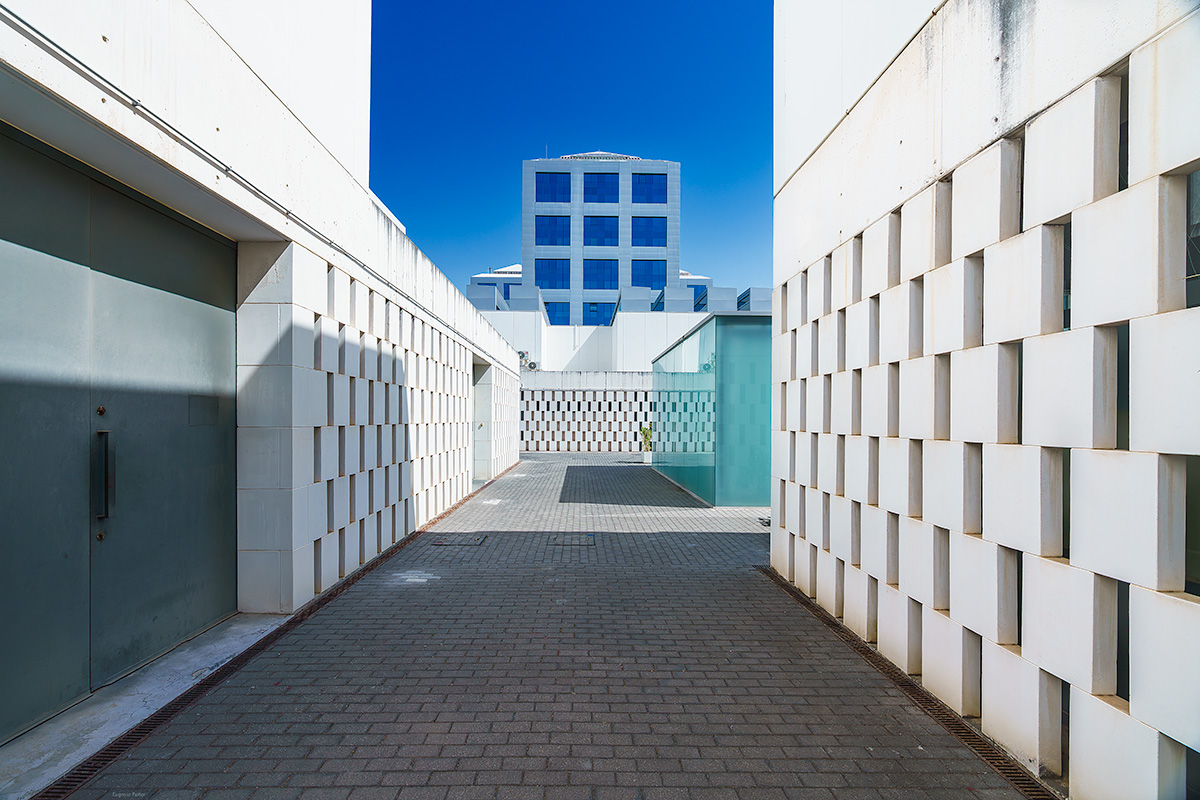
Architecture is both art and technique, the shaping of space and a dialogue with light. When balance is achieved, the result can be remarkable; it moves us, invites contemplation and remains a source of enjoyment for those who inhabit it or simply look at it. That is one of its greatest virtues.
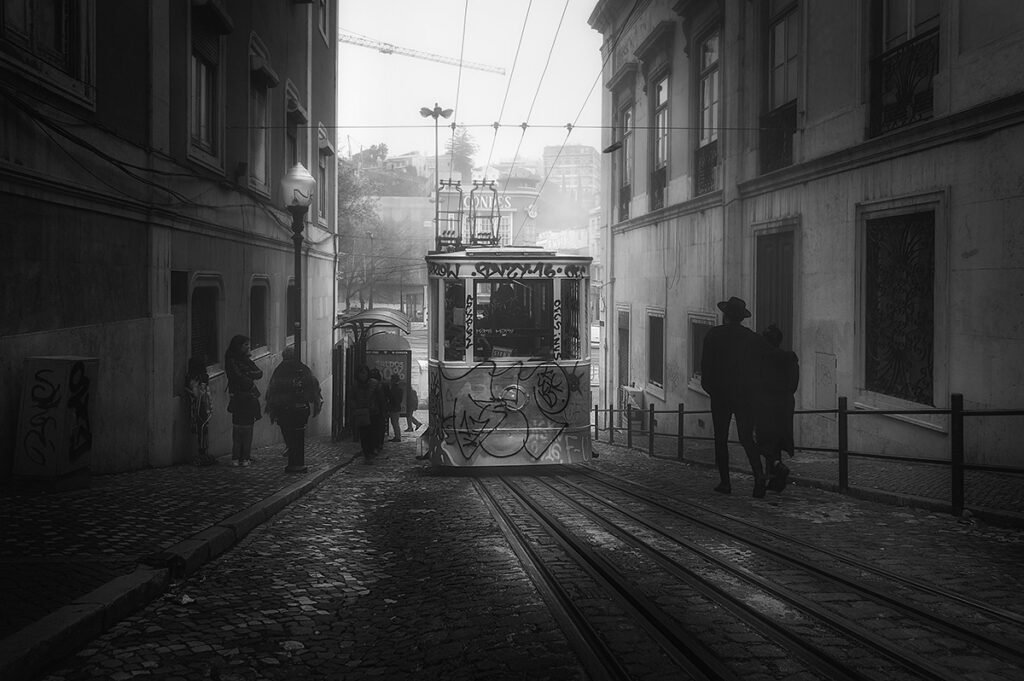
A city cannot be known simply by walking its streets; it has to be lived. One must also stop, allow it to breathe and listen to what it tells us in a quiet voice. Sometimes it is necessary to let oneself be surprised. Only then does it begin to reveal itself.
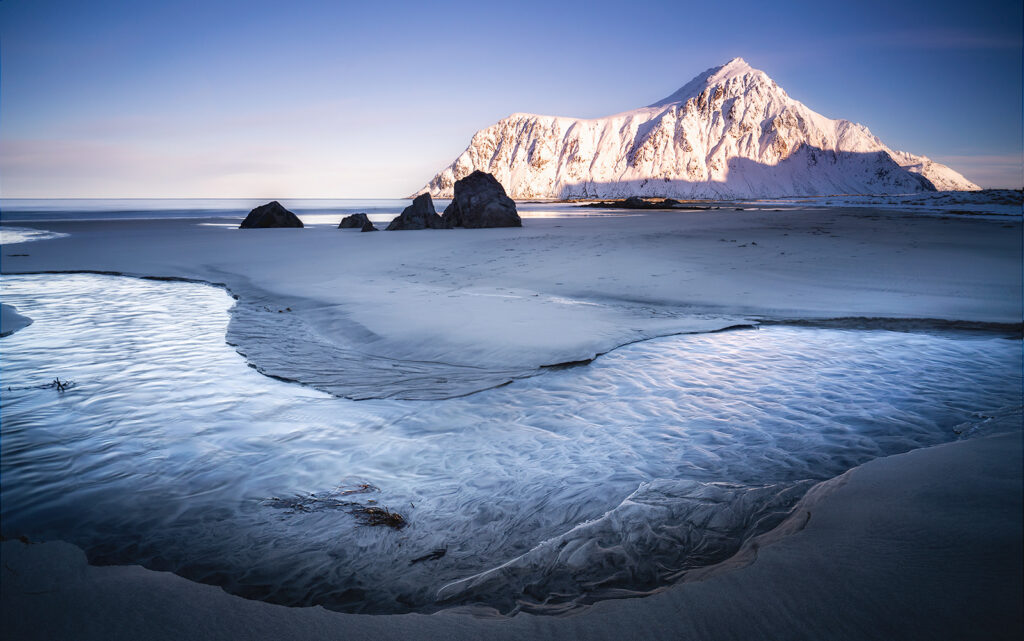
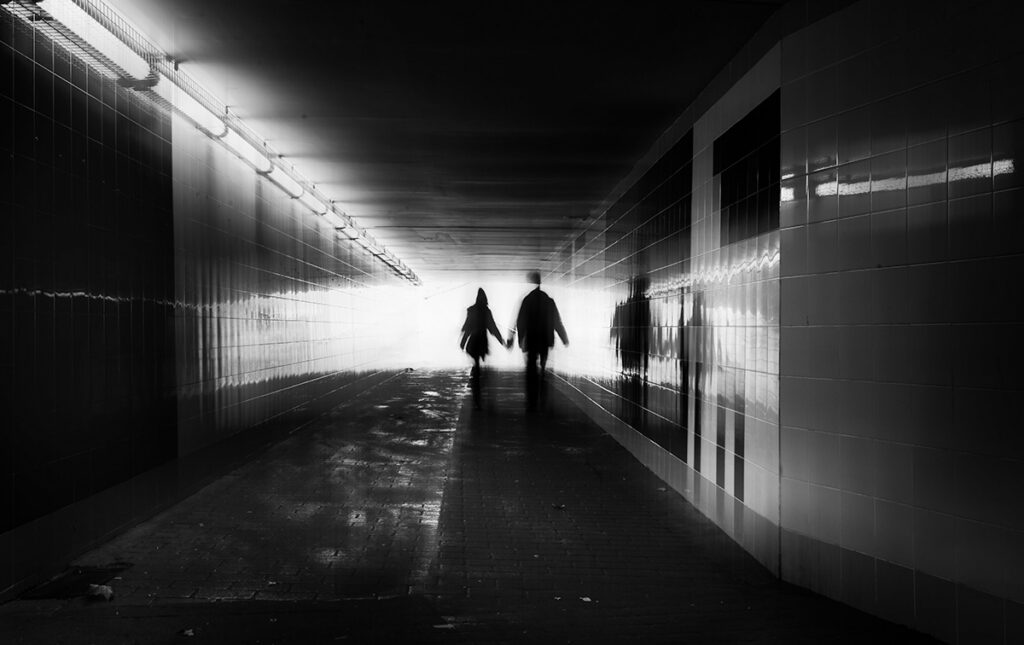
Light shapes forms, but it always retains its ability to reveal what had remained hidden. Whether in a landscape or an everyday scene, it accompanies those who choose to look calmly and discover the beauty that so often goes unnoticed.
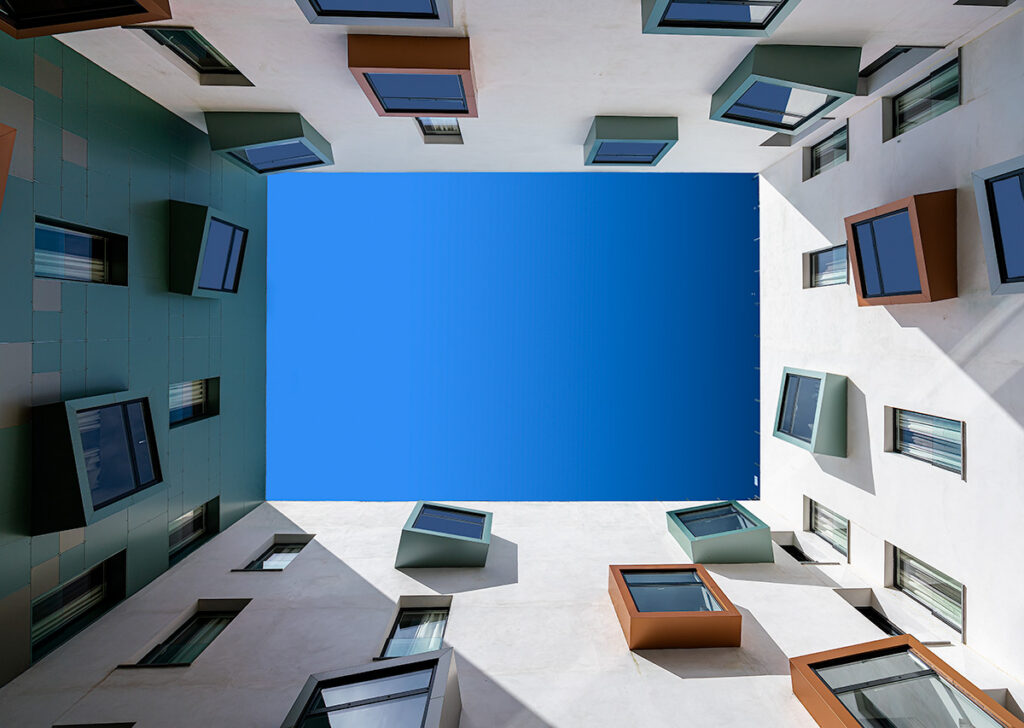
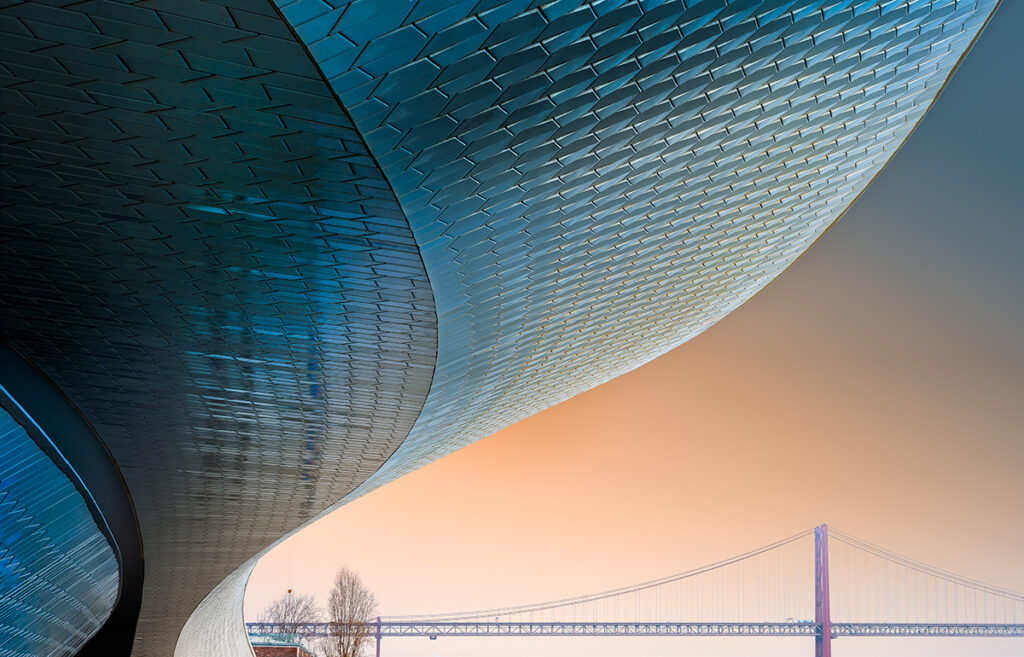
Geometry is not expressed only through the language of mathematics. It is also a form of beauty when space, proportion and light find a common balance. Then we understand that architecture is not merely about constructing buildings, but also about awakening emotions. Sometimes all it takes is to change the place from which we look to discover forms that have always been there, waiting for a different gaze.
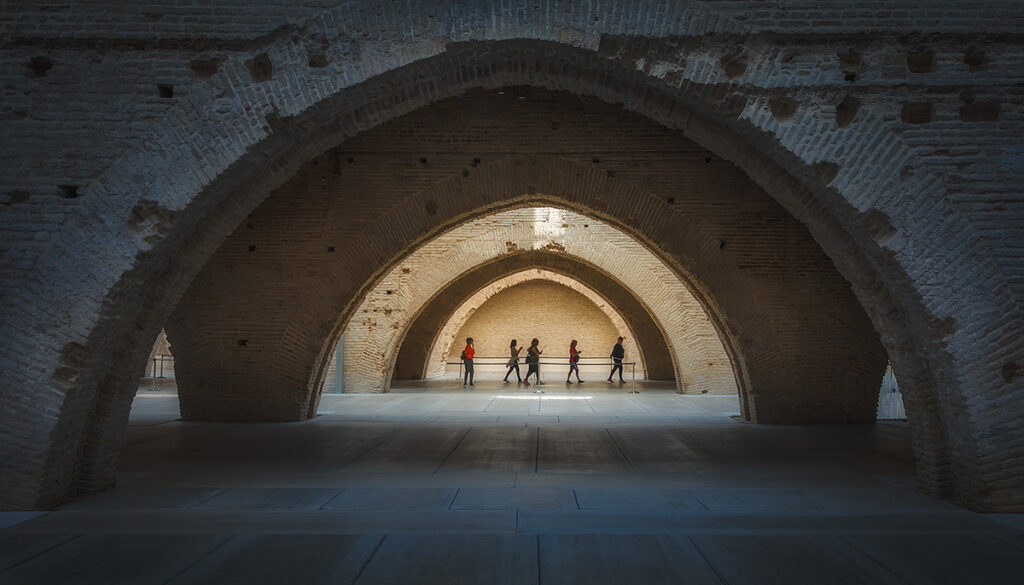
Spaces do not truly exist until someone experiences them. They do not belong only to those who create them or those who maintain them; they also belong to those who discover them with the curiosity and enthusiasm of explorers. Visiting a city is not simply about discovering new places. It also means learning to recognise the beauty of places that patiently await an attentive gaze.
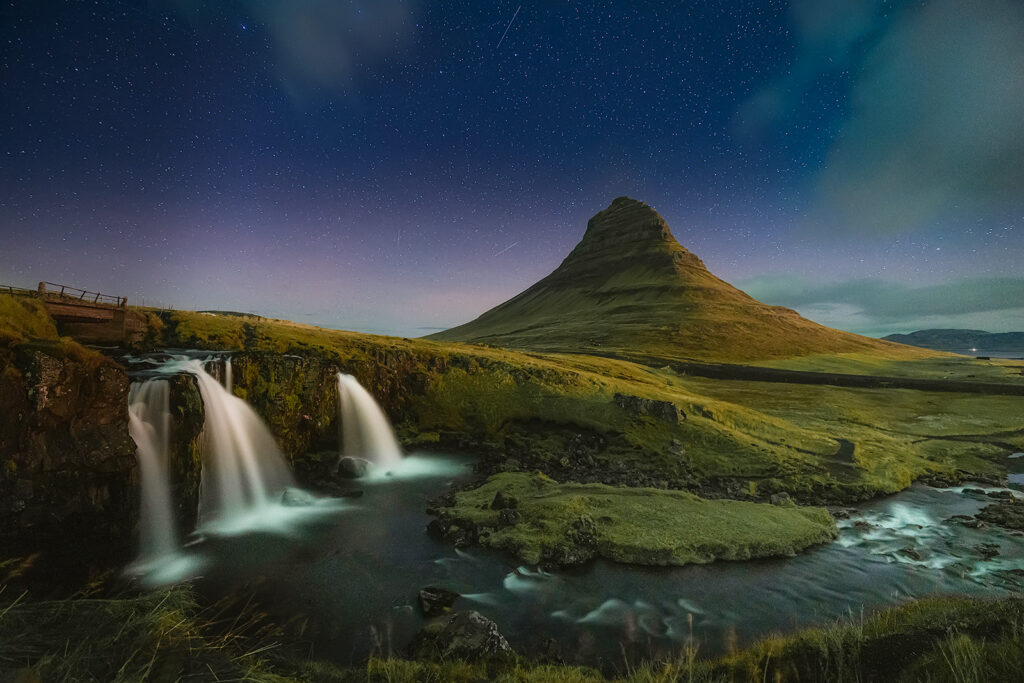
When a fascinating landscape unfolds before you, emotion can sometimes overwhelm you, because you want to capture faithfully all the grandeur that lies before you. That is when the calm that leads first to stopping and then to reflection must prevail. Only then can you find the right state of mind to create the photograph you are looking for. Experience does not eliminate emotion; it simply teaches us how to live with it.